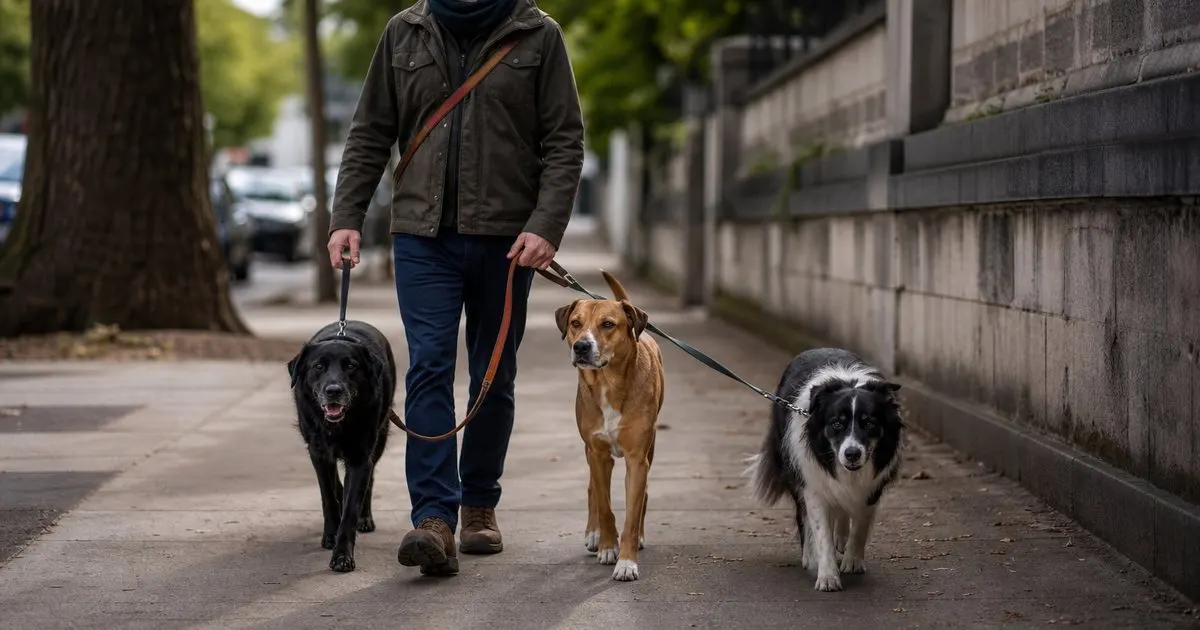
Dog walking visits
How Should a Dog Walker Plan Efficient Routes for Back to Back Visits?
Time spent driving between visits is time you cannot bill. Here is how to plan routes that fit more walks into the same day.
Practical, honest advice from the team behind PupRoutr, written to help you do this well.
Time spent driving between visits is time you cannot bill. Here is how to plan routes that fit more walks into the same day.
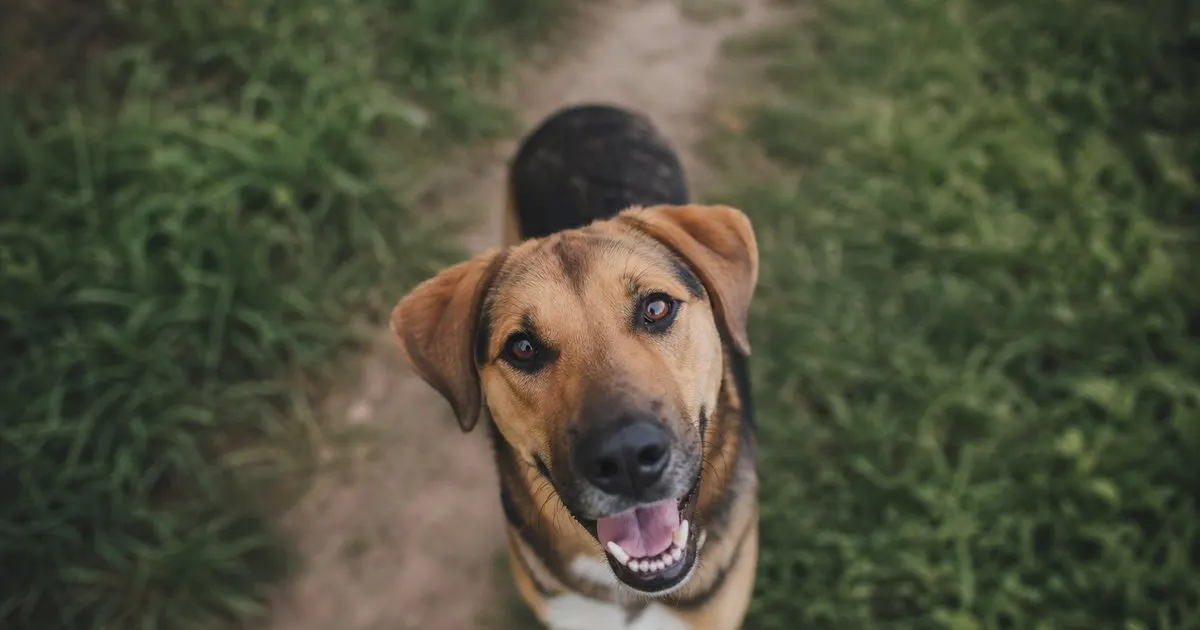
A good update reassures owners without taking your whole break to write. Here is what to include and what to leave out.
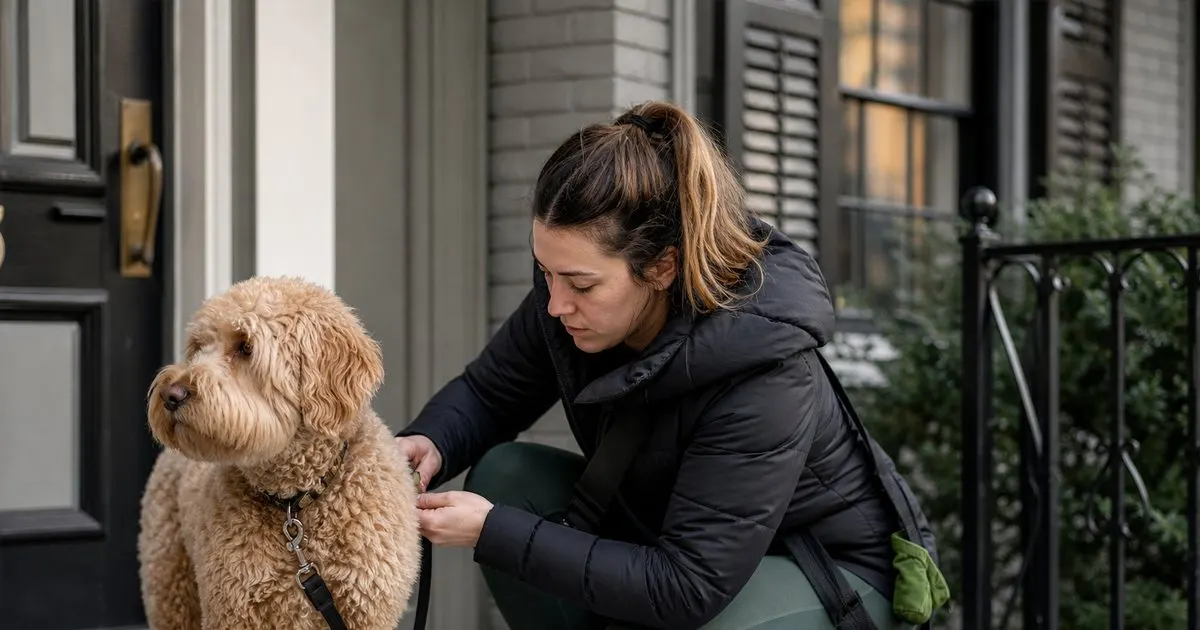
A GPS check-in is more than a gimmick. Here is how it builds trust, protects your business, and keeps your day honest.
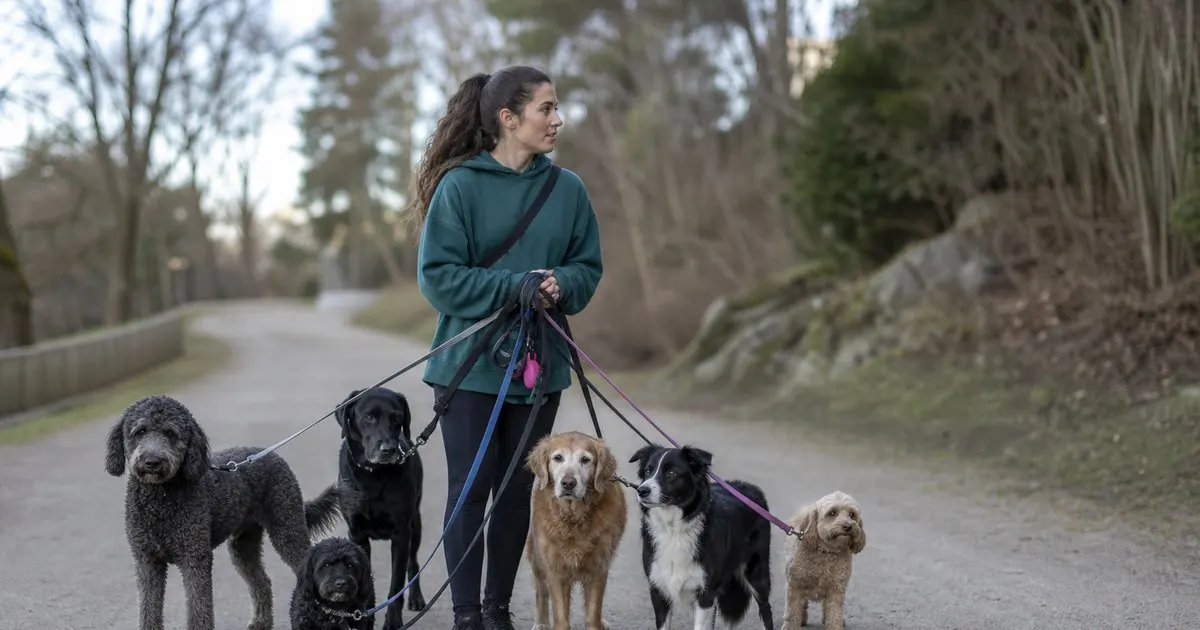
Group walks are efficient but have a real limit. Here is how to think about a safe number for you, the dogs, and the setting.
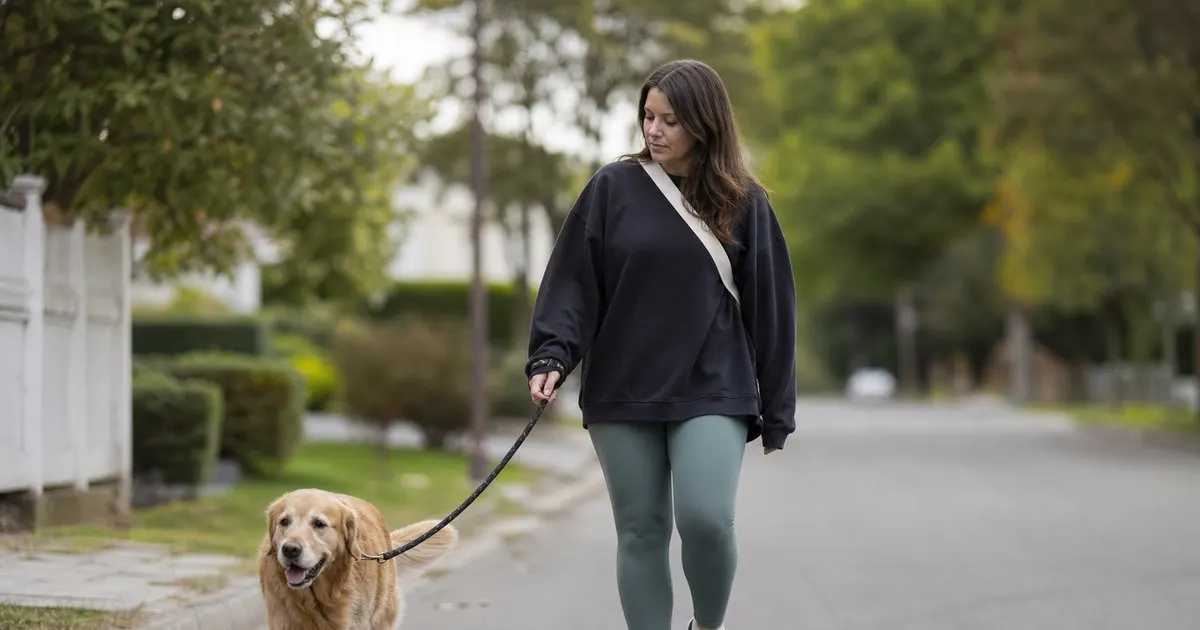
Group walks are efficient, but some dogs and clients need one-on-one time. Here is how to tell which service fits.
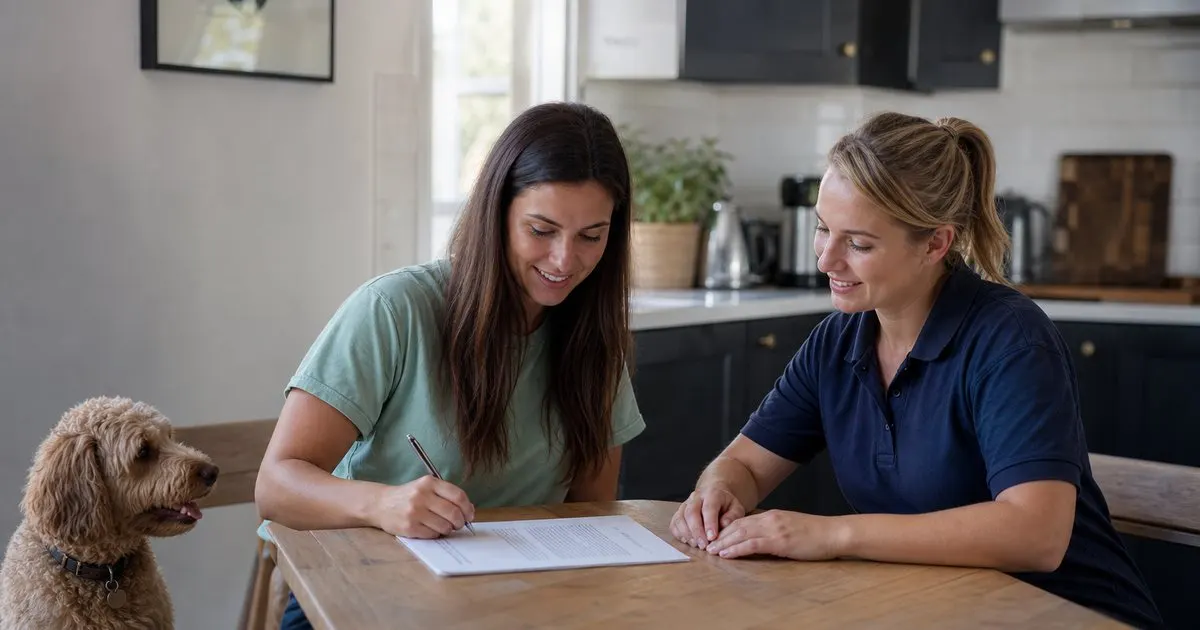
A clear agreement protects you and sets expectations. Here are the essentials to cover before you take a new client's key.
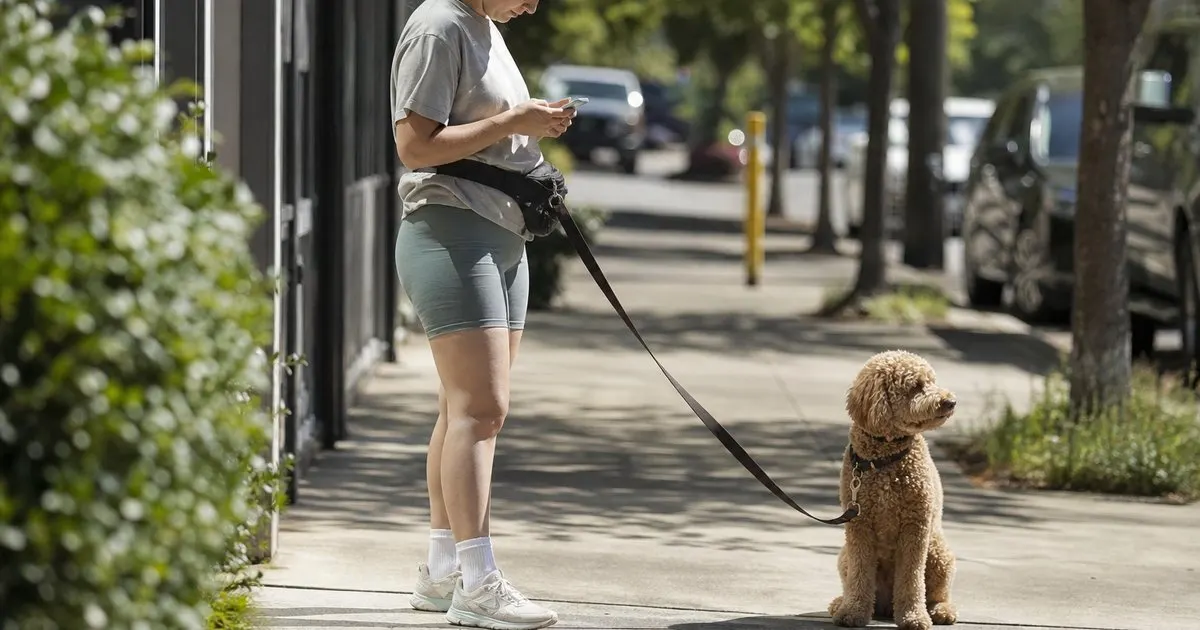
Recurring clients are your steadiest income, but easy to underprice. Here is how to set rates that respect your time.
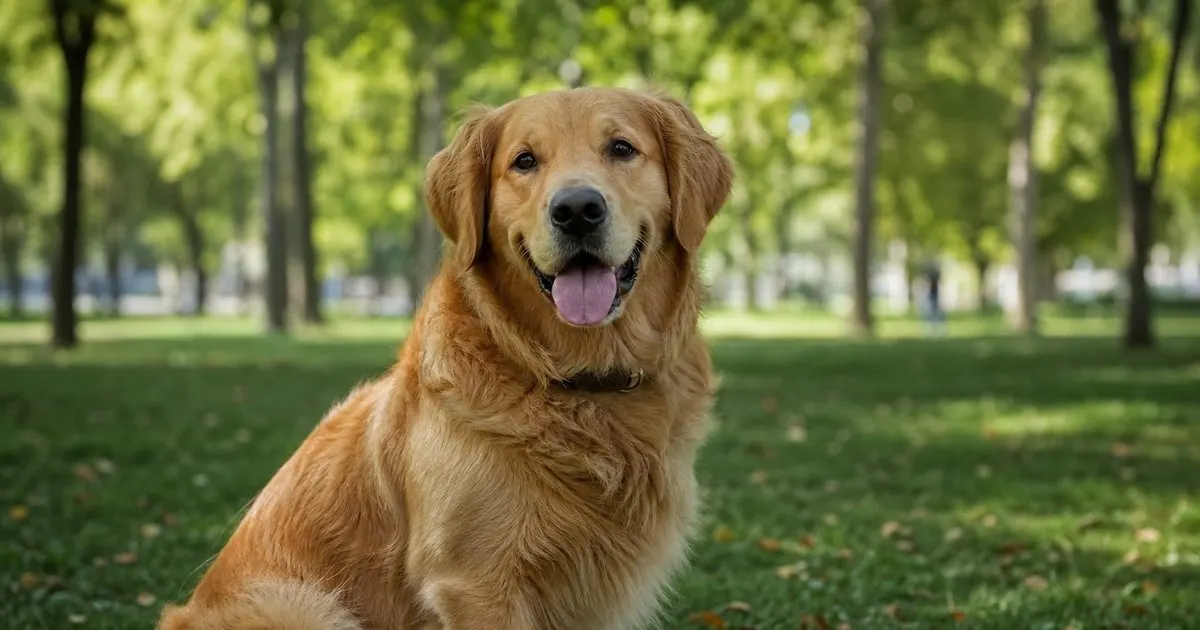
For a worried owner, the right photo does more than a paragraph. Here is what makes a walk photo reassuring.
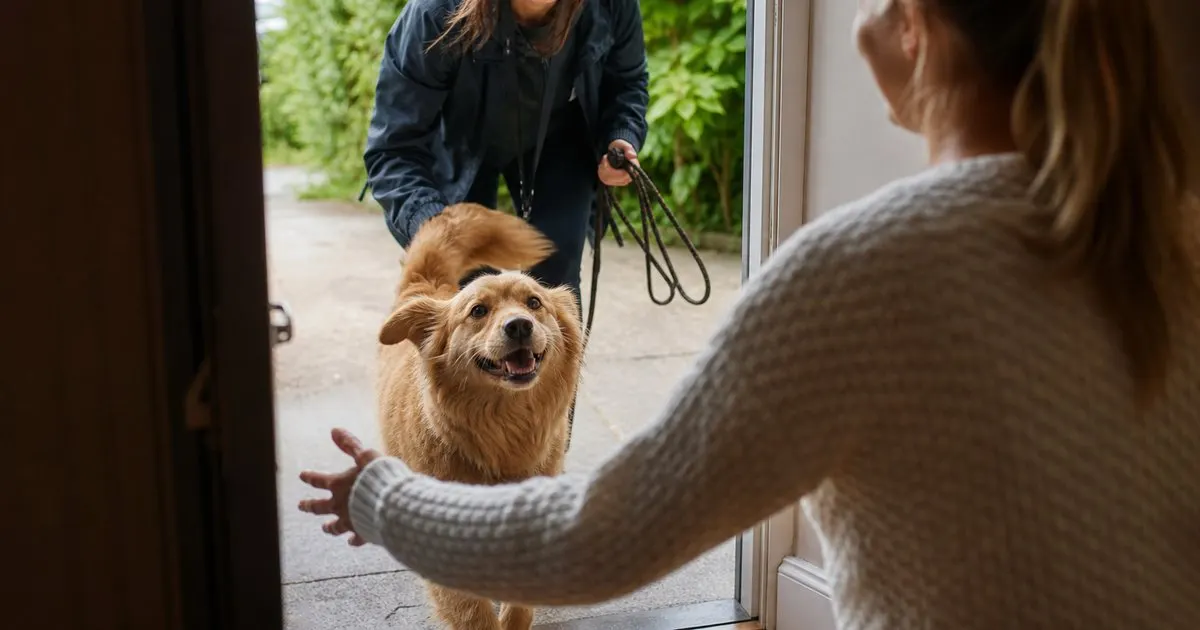
One-off walks do not pay the bills. Here is how a new walker turns first-time clients into steady, recurring income.
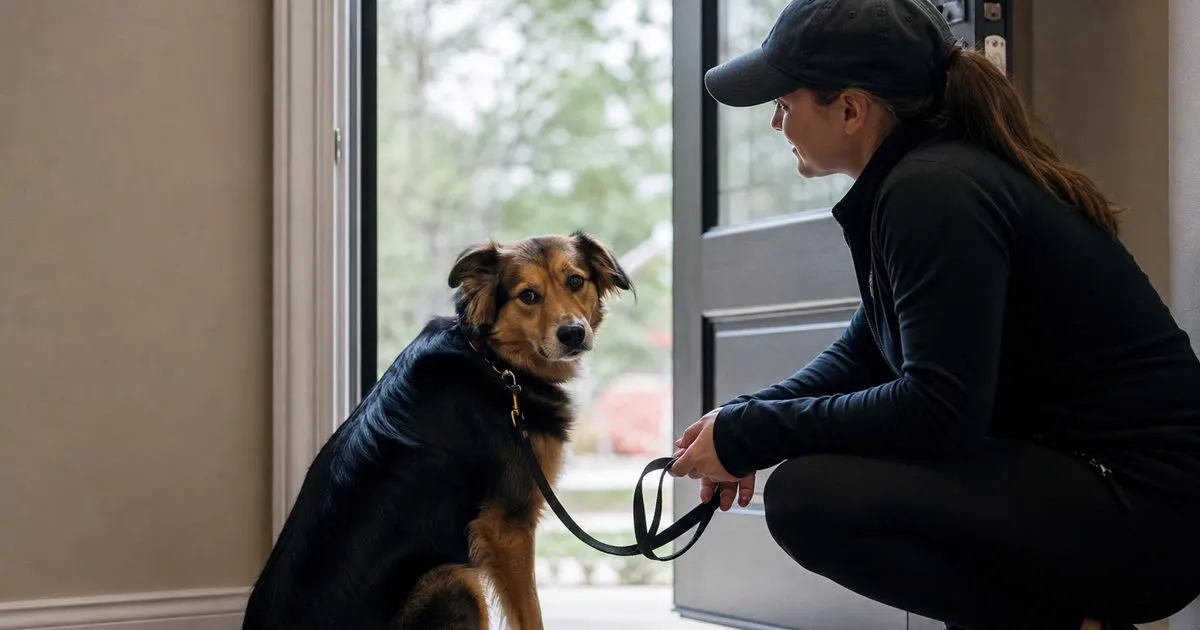
Some dogs plant their feet at the front door the moment a new walker shows up. Here is what usually causes it, how to read the signals, and how to run the visit without forcing anything.
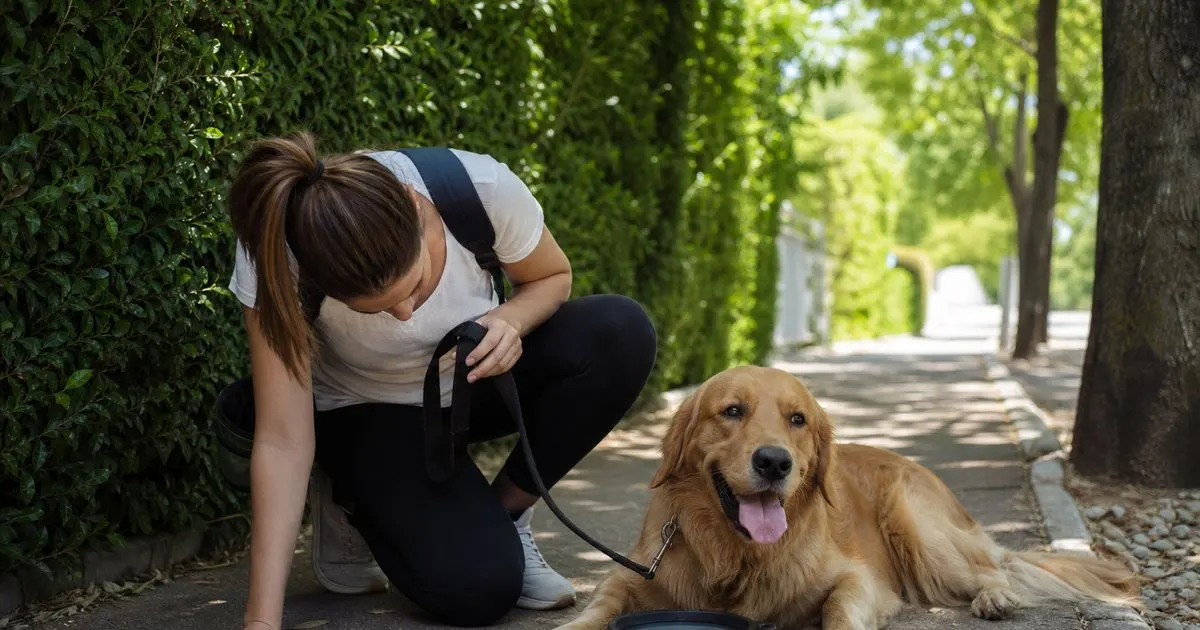
Heat is the most common summer risk on a walking route. Here is how to decide between a full walk, a short potty break, and an indoor visit, and how to tell clients without sounding like you are cutting corners.
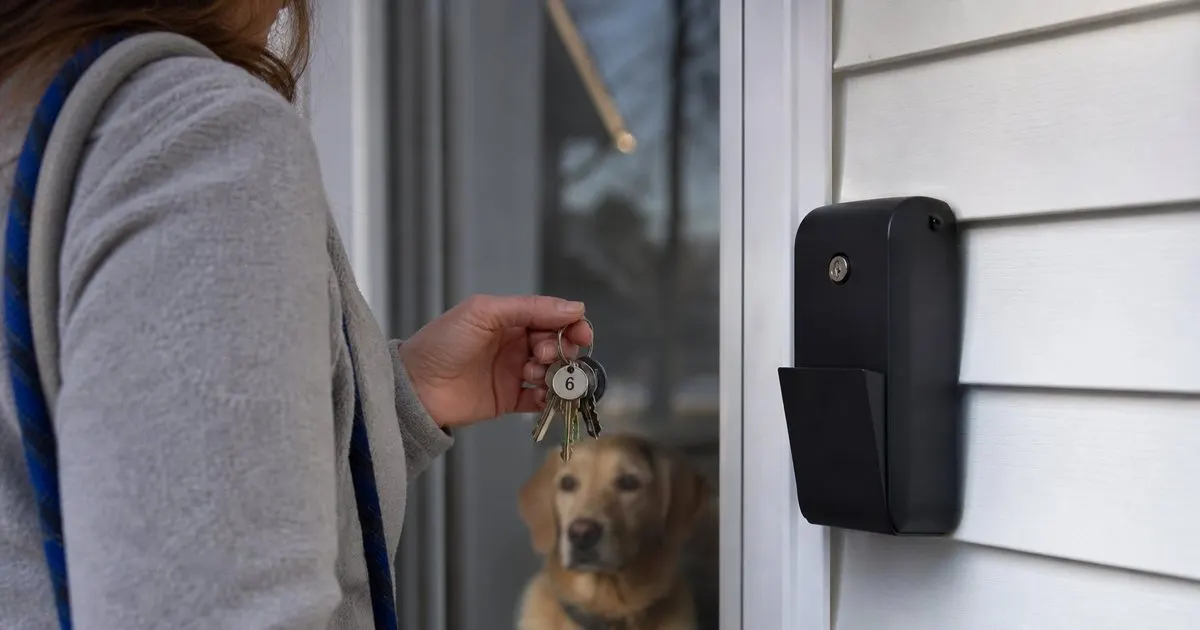
Keys and codes are the one thing a dog walker cannot afford to lose. A working system for labeling, storing, sharing with backup walkers, and handing everything back when a client leaves.
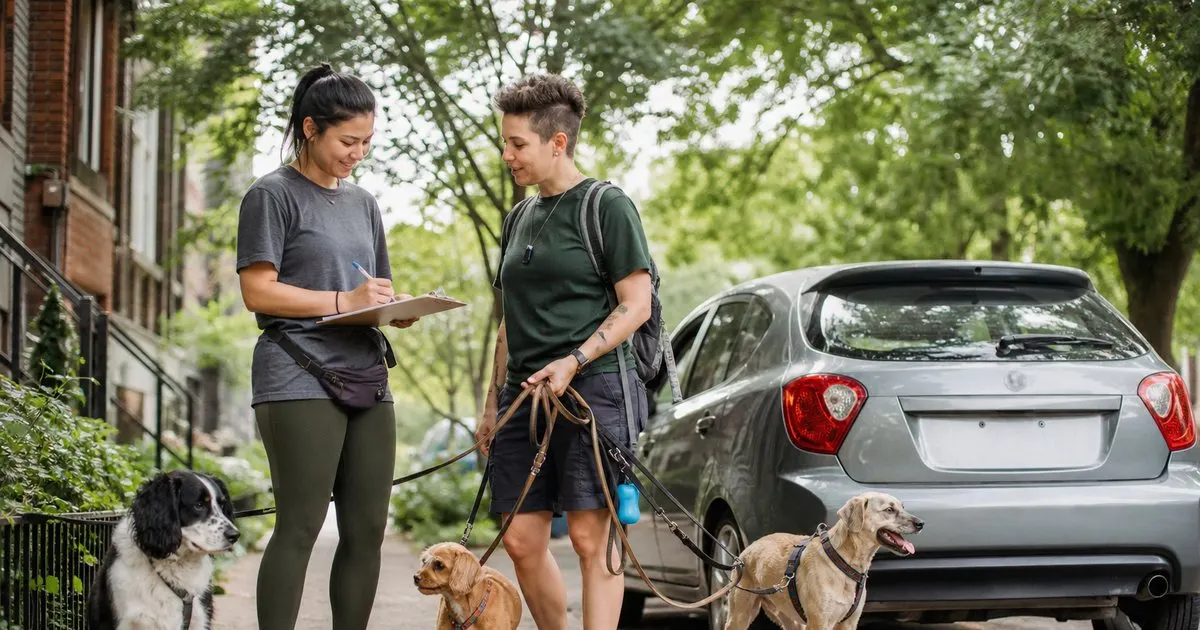
The signals that you have outgrown one pair of hands, the honest difference between an employee and a contractor, and how to bring on a second walker without losing the clients who signed up for you.
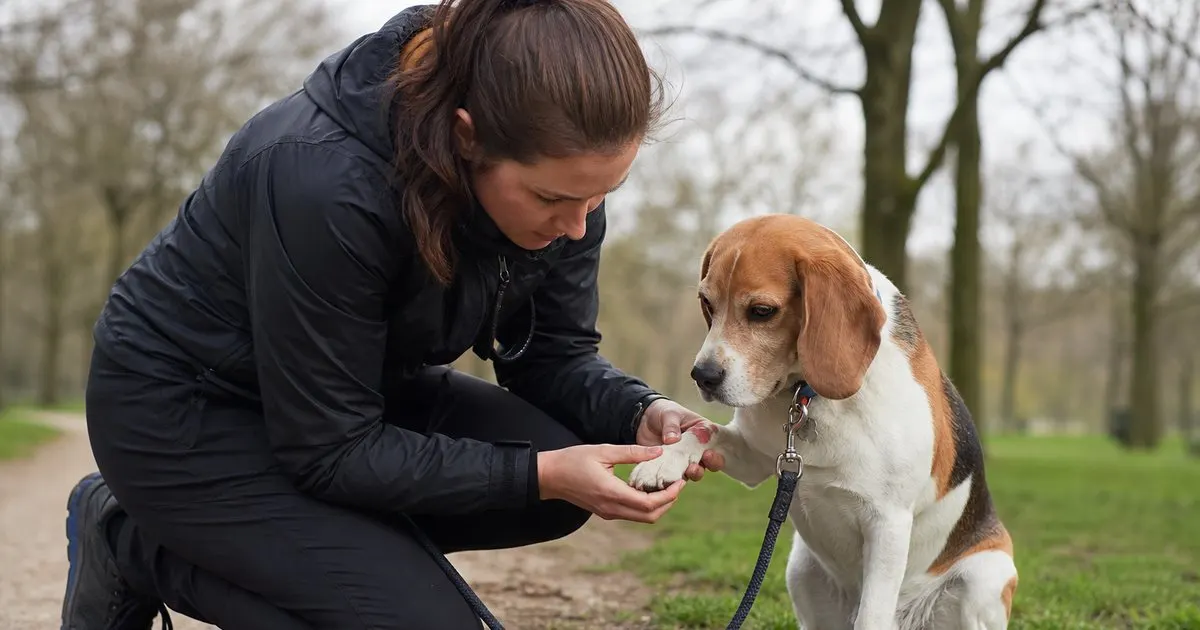
A cut paw, a bee sting, vomiting on the sidewalk, or a sudden limp: the order of operations for the first minutes, who to call and when, and how to document it so the owner and your insurer have the full picture.
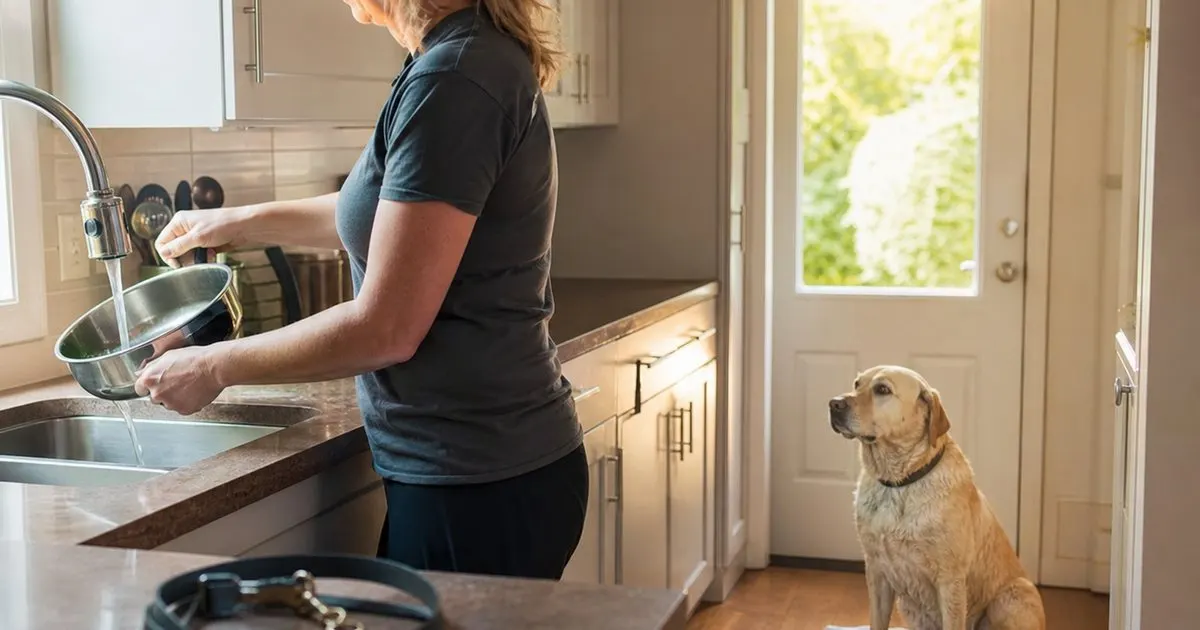
The last two minutes of a visit produce most client complaints. A repeatable close-out routine for water, paws, doors, gates, alarms, gear, and the note that proves you did it.
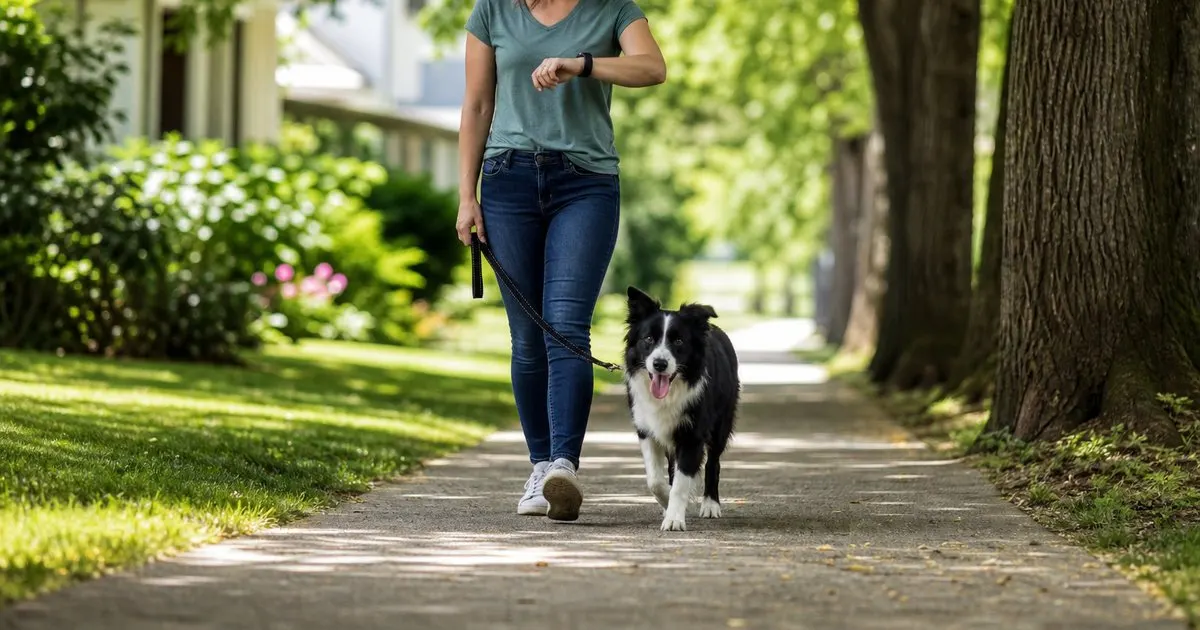
Twenty, thirty, or sixty minutes: how to match the visit length to the dog rather than the price sheet, and why a focused shorter visit often beats a longer one that is mostly transit.
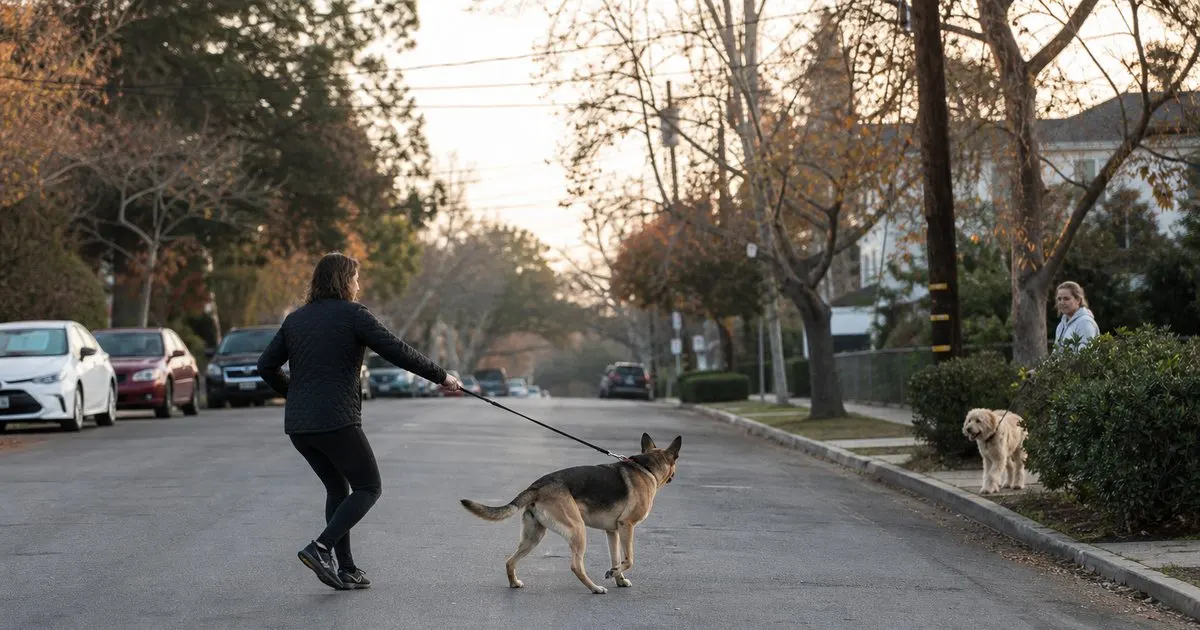
Reactive dogs can be walked safely, but never on autopilot. How to set up the intake, the gear, the route, and the escape moves so both of you finish the walk calm.
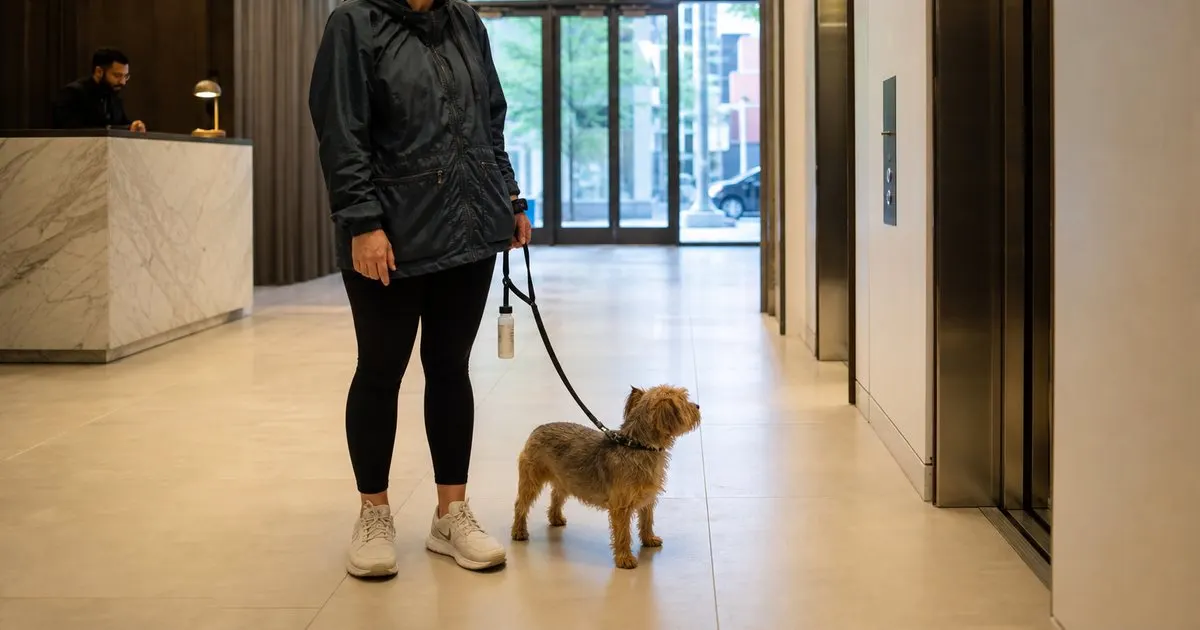
Downtown routes are dense but every building is its own puzzle. How to handle front desks, fobs, elevators, relief areas, and the extra minutes nobody budgets for.
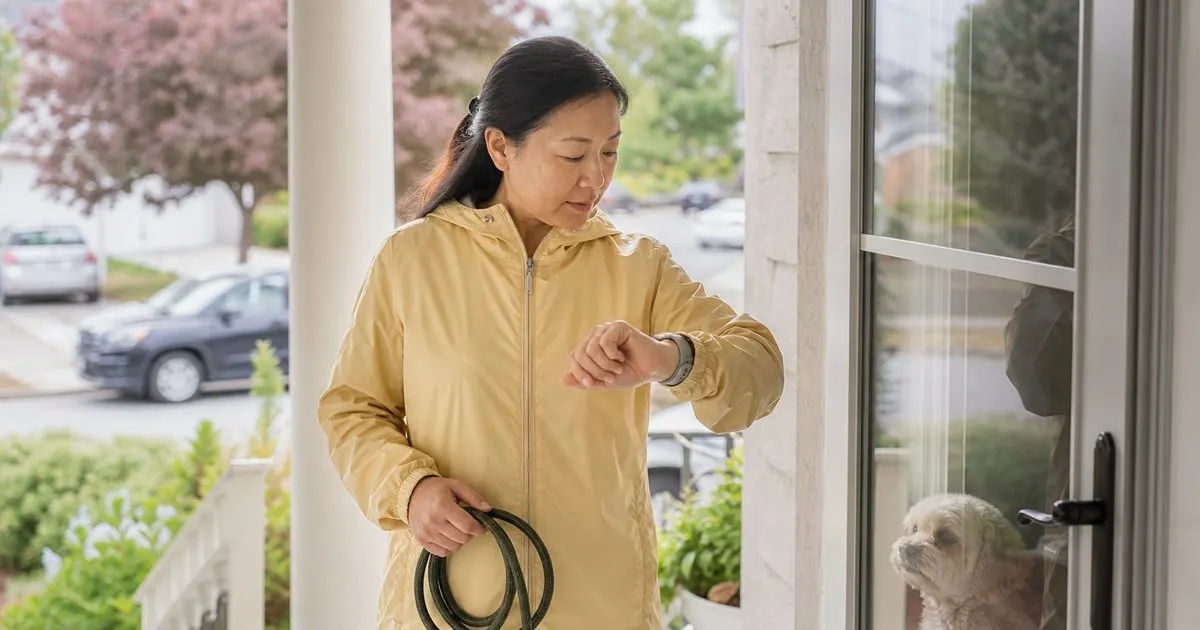
A cancellation an hour before the walk costs far more than the visit fee. Here is how to write a window you can enforce, charge it without drama, and keep the client.
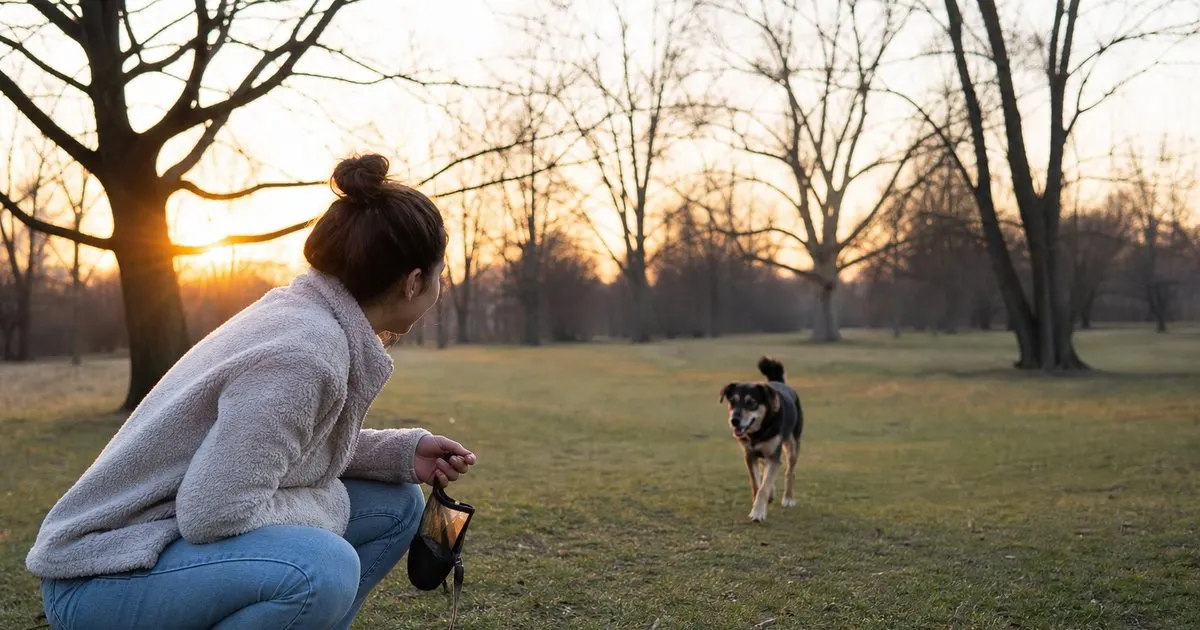
A slipped collar turns a routine midday visit into an emergency in seconds. Here is a first response that gets most dogs back, plus the equipment and notes that stop the next one.