How Do You Manage Dog Walking Visits in Apartment Buildings With Elevators and Front Desks?
Downtown routes are dense but every building is its own puzzle. How to handle front desks, fobs, elevators, relief areas, and the extra minutes nobody budgets for.
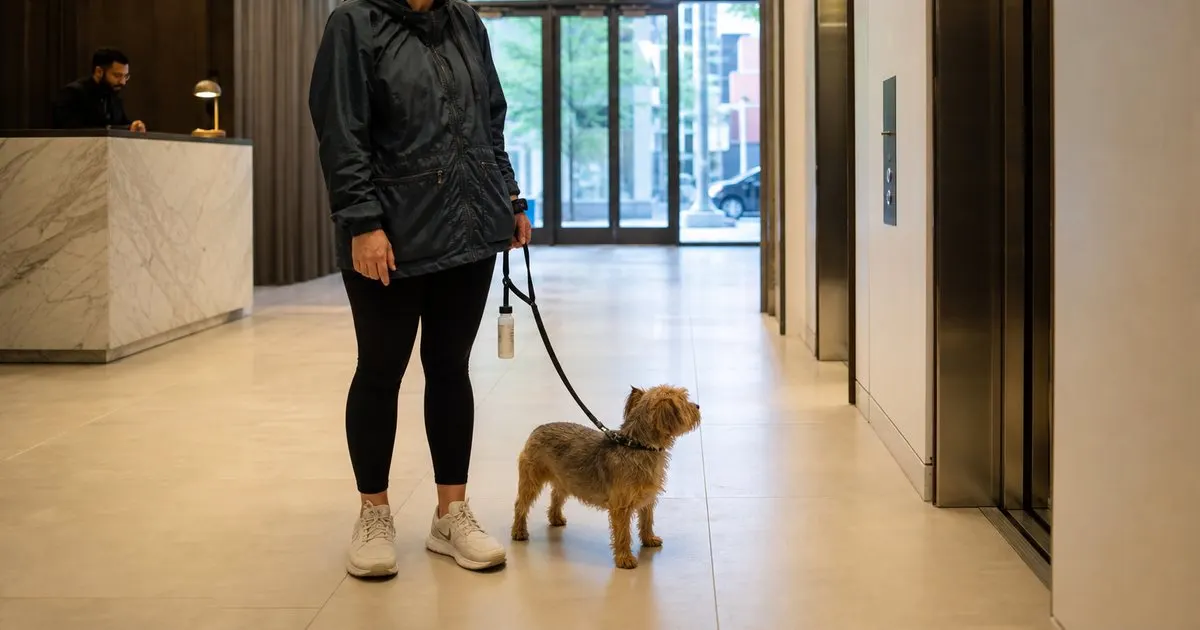
Access: front desks, fobs, and authorization lists
Every managed building has some version of an authorized visitor list, and you need to be on it before the first visit, in writing, with a photo ID on file if that is the building's rule. Some buildings also require a vendor certificate of insurance from any service provider entering units, so ask the client to check with management during onboarding rather than discovering it in the lobby. Fobs are common and easy to lose, so treat them under the same coded, logged system you use for keys. Where the client hands you a physical key plus a fob, note in the profile which opens what. Related: Why Do GPS Check Ins Matter So Much for Professional Dog Walkers?
Front desk procedures vary by shift. The daytime attendant who knows your face may be replaced at noon by someone who does not, so check in at the desk every time even when you could walk past, and be consistently courteous. Building management can revoke access without consulting the client, and one complaint about a walker who ignored the desk is enough. Record the desk procedure, the fob's coverage, the elevator quirks, and the concierge hours in the client profile so a backup walker is not improvising in front of a skeptical attendant. Related: How Many Dogs Can One Walker Safely Handle on a Single Group Walk?
Keep reading: How Should a Dog Walker Plan Efficient Routes for Back to Back Visits?, What Information Do Dog Owners Actually Want in a Post Walk Update?, Why Do GPS Check Ins Matter So Much for Professional Dog Walkers?. See how PupRoutr helps you dog walking route planning and visit check-ins.
Elevators, hallways, and the walk before the walk
Between the unit door and the sidewalk there is a whole miniature walk that owners rarely think about. Keep the dog close and to one side in the hallway, wait for an empty elevator or ask before stepping into one that is occupied, and stand in a corner with the dog on a short leash facing away from other riders. Some dogs are frightened of elevators, especially the ones that lurch, and the stairs are a better option for a small or medium dog when the floor count is reasonable. Hallway greetings with neighbor dogs are a reactivity risk in a tight space, so keep moving and keep it brief. Related: What Information Do Dog Owners Actually Want in a Post Walk Update?
Accidents in lobbies happen, particularly with puppies and seniors who have waited all morning, so carry bags and a small pack of wipes and clean up immediately. All of this takes time. Budget roughly five to ten minutes of building transit per visit, more for high floors at lunch hour when the elevators are busy, and understand that it is not walk time. Be transparent with clients about that split. A thirty minute visit in a twenty story tower might be twenty minutes of actual outdoor time, and an owner who knows that in advance is not the owner who complains about it later.
Relief areas, sidewalks, and the city route
Some buildings have rooftop or courtyard dog runs, which are convenient for a quick relief stop but not a substitute for a walk. Use them for the first potty break and then head out. City sidewalks bring foot traffic, bikes, delivery carts, hot pavement in summer, and salt and chemical deicers in winter, so a short leash and close attention are the default. Find the green pockets on each route, a pocket park, a planted median, a quiet side street with tree pits, and build the loop around them. Rinse or wipe paws after winter sidewalks before going back up, because deicer on the paws ends up in the dog's mouth.
Downtown density is the upside. A dozen clients might live within a few blocks, which means the route can be walked rather than driven, and the parking problem, loading zones, and midday traffic simply disappear. When driving is unavoidable, know the buildings with a fifteen minute loading zone versus the ones where you will circle for ten, and account for it. Many urban walkers find that a walked route with a transit hop between clusters beats a car for the entire midday window, and the walking between buildings keeps you warm in winter and off the meter all year.
Scheduling and communication for dense routes
Stack visits by building or by block so the lobby check-in, elevator wait, and sidewalk loop for one dog flow naturally into the next. Two dogs in the same building from different households can sometimes be walked back to back with a quick swap, which is worth proposing to both owners. Keep a building notes field in every urban client's profile that covers the desk, the fob, the elevator, the best relief area, and the parking reality, and update it when anything changes. When stops are close enough to walk between, order them by walking time rather than driving time, since the elevator and lobby minutes matter more than the block count. PupRoutr keeps notes about the home on each dog's record so they are in front of you at the door, though any system that keeps the notes next to the schedule will do. Related: How Should a Dog Walker Plan Efficient Routes for Back to Back Visits?
Be explicit with clients about where the visit clock starts and where the check-in happens. Checking in at the unit door is the cleanest definition, since that is when the dog is in your care, and a GPS stamp at street level is a reasonable backup when the signal drops inside a tower. Warn clients that elevators and desk delays can shift arrival by a few minutes and send a quick note when it happens. Urban clients tend to be precise about time and grateful for precision in return, and a walker who explains the building minutes honestly keeps those clients for years.
- Get on the building's authorized list in writing before the first visit and ask whether a certificate of insurance is required.
- Elevator rides, hallways, and lobby check-ins add roughly five to ten minutes per visit that is not walk time, so tell clients that upfront.
- Build each city loop around green pockets, use a short leash on busy sidewalks, and wipe paws after salted winter streets.
- Stack visits by building or block, route by walking time, keep building notes in the profile, and define exactly where the visit clock starts.

Julien Jimenez
Julien Jimenez is an independent software builder based in Paris. He designs, ships, and operates focused SaaS products for small businesses and independent professionals. Read the full author page.
Prove every walk happened, effortlessly
Dog walking route planning and visit check-ins. PupRoutr is built to help you put this into practice.
Plan my walksMore from the PupRoutr blog
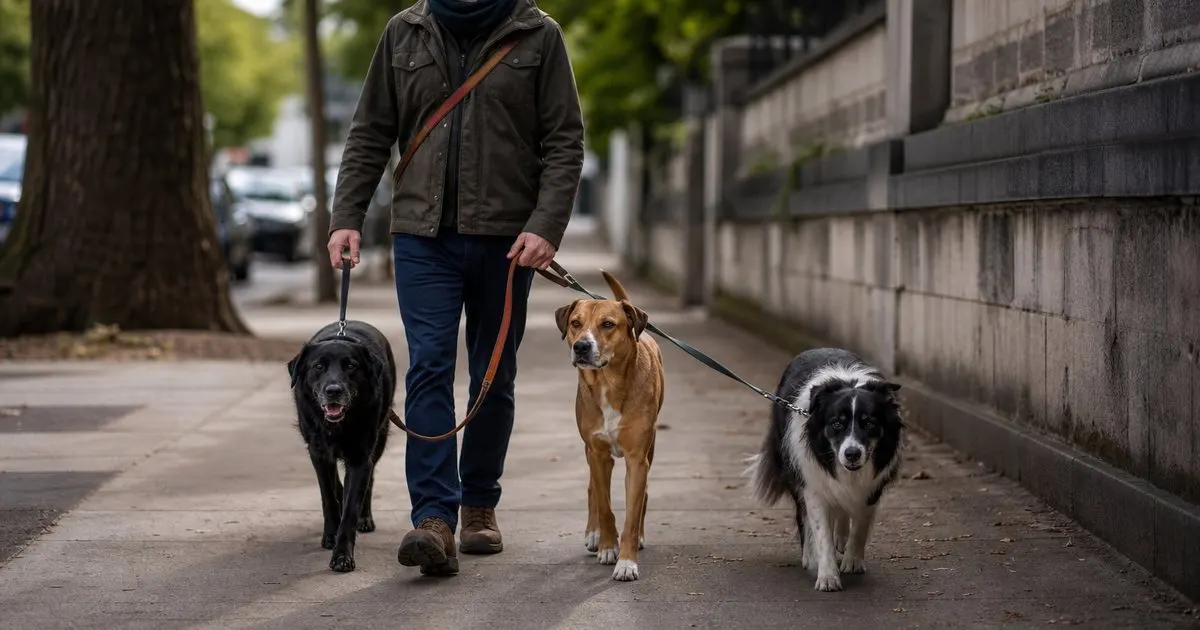
How Should a Dog Walker Plan Efficient Routes for Back to Back Visits?
What Information Do Dog Owners Actually Want in a Post Walk Update?
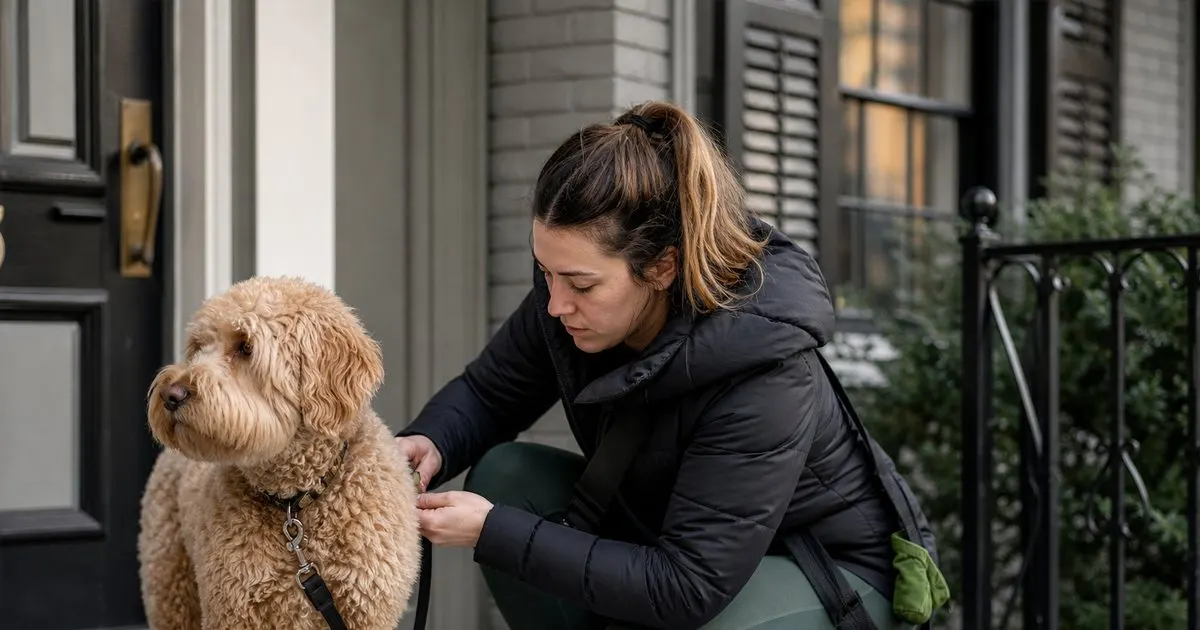
Why Do GPS Check Ins Matter So Much for Professional Dog Walkers?
Get the PupRoutr playbook
Practical guides on dog walking visits, straight to your inbox as we publish them. No spam, unsubscribe any time.