When Is It Better to Offer Solo Walks Instead of Group Dog Walks?
Group walks are efficient, but some dogs and clients need one-on-one time. Here is how to tell which service fits.
Offer solo walks when a dog is reactive, anxious, recovering, senior, or on medication, or when an owner is working on training that needs focused attention. Group walks suit exercise and socializing, not careful one-on-one work. Price and explain solo walks so owners choose the fit their dog needs.
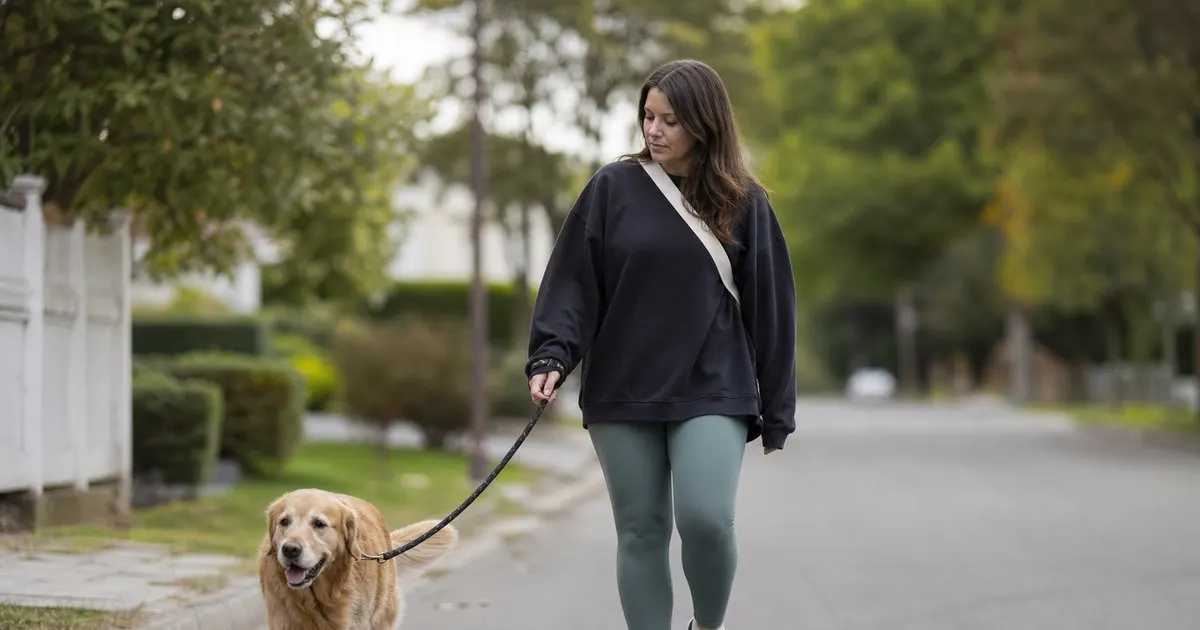
Some dogs are not group dogs
A reactive, anxious, or recovering dog often does better with a walker's full attention than in a pack. Pushing such a dog into a group is stressful for the dog and risky for you. Related: How Many Dogs Can One Walker Safely Handle on a Single Group Walk?
For these dogs, solo is not a premium upsell, it is the appropriate service.
Keep reading: How Should a Dog Walker Plan Efficient Routes for Back to Back Visits?, What Information Do Dog Owners Actually Want in a Post Walk Update?, Why Do GPS Check Ins Matter So Much for Professional Dog Walkers?. See how PupRoutr helps you dog walking route planning and visit check-ins.
Training and behavior goals
An owner working on leash manners or recall usually wants focused time, not a walk split among several dogs. Solo lets you reinforce what the owner is teaching. Related: What Information Do Dog Owners Actually Want in a Post Walk Update?
Group walks are for exercise and socializing, not for careful training work.
Medical and senior needs
A senior dog or one on the mend may need a slower pace and closer watching than a group allows. A solo walk fits its energy and health.
Matching the walk to the dog's condition keeps it safe and comfortable.
Price and position each clearly
Solo walks take a full slot for one dog, so they cost more, and that is fair. Explaining the difference helps owners choose the right service rather than defaulting to the cheapest.
When owners understand what each offers, they pick what their dog actually needs.
- Reactive, anxious, or recovering dogs often need solo walks
- Training goals call for focused one-on-one time
- Senior and medical dogs need a slower, closely watched pace
- Price and explain solo walks so owners choose the right fit

Julien Jimenez
Julien Jimenez is an independent software builder based in Paris. He designs, ships, and operates focused SaaS products for small businesses and independent professionals. Read the full author page.
Frequently asked questions
Why is a solo walk sometimes the appropriate service, not an upsell?
For a reactive, anxious, or recovering dog, a group is stressful and risky. Solo gives the walker's full attention, which is what that dog actually needs, not a premium add-on.
How should a walker price solo walks fairly?
A solo walk takes a full slot for one dog, so it reasonably costs more. Explaining that difference helps owners pick the right service rather than defaulting to the cheapest option.
Prove every walk happened, effortlessly
Dog walking route planning and visit check-ins. PupRoutr is built to help you put this into practice.
Plan my walksMore from the PupRoutr blog
How Should a Dog Walker Plan Efficient Routes for Back to Back Visits?
What Information Do Dog Owners Actually Want in a Post Walk Update?
Why Do GPS Check Ins Matter So Much for Professional Dog Walkers?
Get the PupRoutr playbook
Practical guides on dog walking visits, straight to your inbox as we publish them. No spam, unsubscribe any time.