When a Client Cancels an Hour Before the Visit, What Should Your Policy Actually Say?
A cancellation an hour before the walk costs far more than the visit fee. Here is how to write a window you can enforce, charge it without drama, and keep the client.
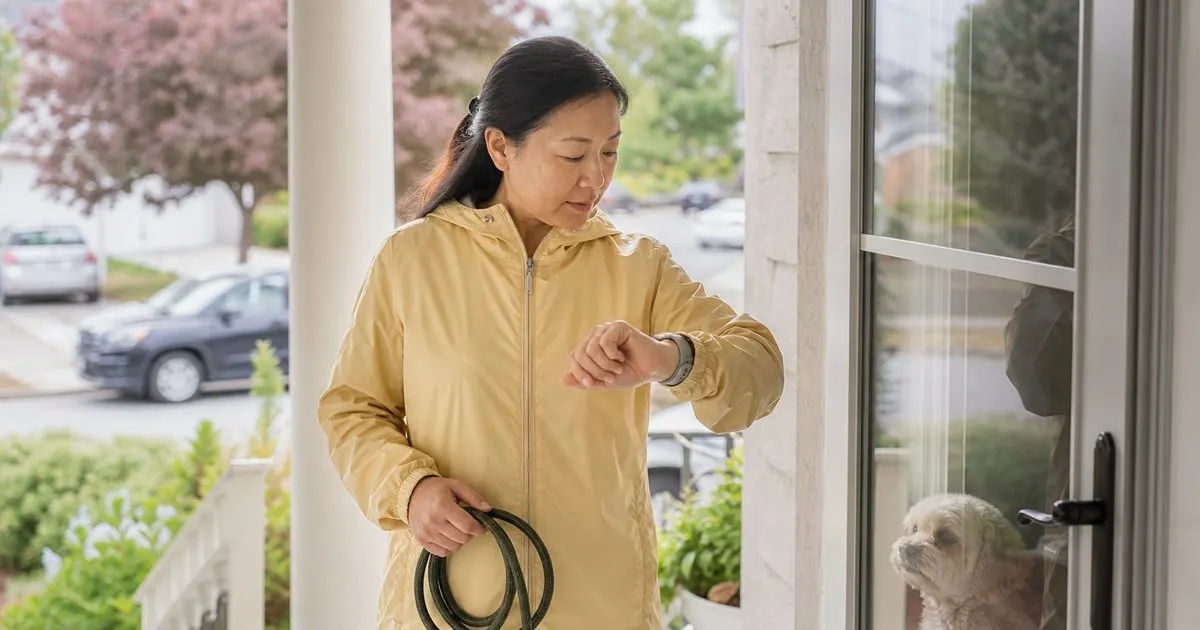
What a Late Cancellation Actually Costs You
The lost visit fee is usually the smaller half of the damage. A midday route is a chain, and you built the whole day around a specific window at a specific address. The drive time to reach that address was spent the moment you accepted the booking, and a hole in the middle of a route rarely collapses into anything useful. You cannot go home for twenty five minutes, and you cannot pull the next visit forward because that owner is expecting you at a set time.
There are second order costs too. You may have turned down a request for the same window, declined an overlapping booking, or moved your own errands to the evening. None of that comes back. Track cancellations in your visit log for a couple of months and the patterns show up quickly: one household cancels most Fridays, another cancels whenever it rains, a third has never cancelled in two years. Knowing which is which lets you write a policy aimed at the actual behavior instead of one that punishes everybody equally.
Keep reading: How Should a Dog Walker Plan Efficient Routes for Back to Back Visits?, What Information Do Dog Owners Actually Want in a Post Walk Update?, Why Do GPS Check Ins Matter So Much for Professional Dog Walkers?. See how PupRoutr helps you dog walking route planning and visit check-ins.
Writing a Cancellation Window Clients Can Understand
Pick one window and apply it to everyone. Windows in pet care typically range from same day notice up to a full 24 hours before the visit start, and walkers serving daily midday clients often land somewhere in the middle, because office plans genuinely change on short notice. The exact number matters less than the fact that it is written in the service agreement, said out loud at the meet and greet, and repeated in the booking confirmation the client actually reads. Related: Why Do GPS Check Ins Matter So Much for Professional Dog Walkers?
Then say what happens on each side of the line in plain words. Cancel before the window: no charge, or a credit toward another day. Cancel inside the window: the visit bills at full or partial rate, and name which. Also name the exceptions you will honor without argument, such as the dog being at the vet or the owner being home with something contagious the dog should not be around. Deciding those cases in advance means you are not improvising a judgment call while a client is upset on the phone.
Charging the Fee Without Damaging the Relationship
The fee is not a punishment, it is payment for time that was reserved and cannot be resold. Say it exactly that way. A short message that names the policy, states the amount, and then moves on to something warm about the dog keeps the tone right. Do not apologize for your own policy, and do not write three paragraphs of justification, because length reads as an opening for negotiation. One or two calm sentences land better than a defense.
Decide in advance how many free passes a client gets in a year. Plenty of walkers waive the first one for a long standing client, note the waiver in the client record, and charge every occurrence after that. What creates resentment is not the fee, it is inconsistency: a client who gets charged after hearing that someone else was let off assumes the rule was invented for them. Waive on purpose, say that you are waiving it, and write it down so the next conversation starts from the same page. Related: How Can New Dog Walkers Build a Loyal Base of Repeat Clients?
Filling the Slot or Using It on Purpose
Keep a short standby list of clients who have asked for occasional extra visits, plus regulars whose dog would happily take a second walk. A single message to two or three names beats a public post and can fill a gap inside the hour. If the cancelled visit sits at the beginning or end of the route, the honest answer is often to simply finish early, and that is a real benefit rather than a loss, provided the fee is billed under your policy. Related: How Should a Dog Walker Plan Efficient Routes for Back to Back Visits?
If the slot stays empty, spend it deliberately. Give the next dog a longer walk, catch up on the admin that never fits, or drive the following leg early to buy yourself buffer for the rest of the day. This is also where recordkeeping pays off. In PupRoutr we mark the visit cancelled rather than deleting it, so the day's route recalculates around the gap, the owner sees the change on their end, and the cancellation still appears at invoicing time instead of quietly vanishing from the month. Related: What Information Do Dog Owners Actually Want in a Post Walk Update?
- A late cancellation costs reserved drive time and a hole mid route, not only the visit fee.
- One written window applied to every client beats case by case decisions you have to defend later.
- Name your exceptions in advance so you are not judging someone's emergency on the spot.
- Mark cancellations against the visit instead of deleting them, so patterns and unpaid time stay visible.

Julien Jimenez
Julien Jimenez is an independent software builder based in Paris. He designs, ships, and operates focused SaaS products for small businesses and independent professionals. Read the full author page.
Prove every walk happened, effortlessly
Dog walking route planning and visit check-ins. PupRoutr is built to help you put this into practice.
Plan my walksMore from the PupRoutr blog
How Should a Dog Walker Plan Efficient Routes for Back to Back Visits?
What Information Do Dog Owners Actually Want in a Post Walk Update?
Why Do GPS Check Ins Matter So Much for Professional Dog Walkers?
Get the PupRoutr playbook
Practical guides on dog walking visits, straight to your inbox as we publish them. No spam, unsubscribe any time.