How Many Dogs Can One Walker Safely Handle on a Single Group Walk?
Group walks are efficient but have a real limit. Here is how to think about a safe number for you, the dogs, and the setting.
There is no single safe number, because it depends on the dogs' size and temperament, your experience, and where you walk. The real test is whether you can reliably control every dog at once if something happens. Let the setting cap the group, and check local rules that may limit it.
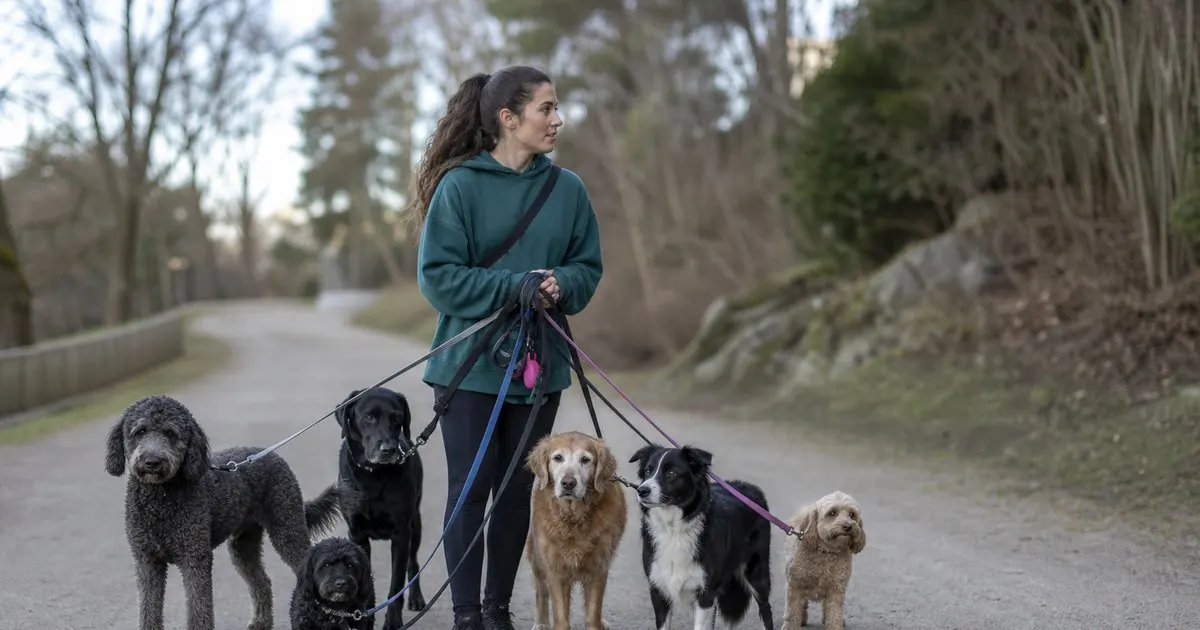
There is no single magic number
The safe count depends on the dogs' size and temperament, your experience, and where you walk. A calm, familiar pack on a quiet trail is very different from mixed dogs on a busy street. Related: How Much Does Walk Length Really Matter for Dogs on a Daily Midday Visit?
Anyone who gives a flat number without knowing those factors is guessing.
Keep reading: How Should a Dog Walker Plan Efficient Routes for Back to Back Visits?, What Information Do Dog Owners Actually Want in a Post Walk Update?, Why Do GPS Check Ins Matter So Much for Professional Dog Walkers?. See how PupRoutr helps you dog walking route planning and visit check-ins.
You must be able to control all of them
The real test is whether you can physically and reliably manage every dog if something happens, another dog, a squirrel, a loud truck. If the answer is no, the group is too big.
Control is not about strength alone. It is about being able to keep every dog safe at once.
Match the group to the environment
A wide open space allows for more room to manage a group than a narrow sidewalk with traffic. Let the setting cap your number, not just your ambition.
The tighter and busier the space, the smaller the group should be.
Know your local rules and limits
Some parks and municipalities set a maximum number of dogs per walker. Check local rules before you build your group sizes around efficiency. Related: When Should a Dog Walker Shorten or Cancel Visits During a Summer Heat Wave?
Staying within the rules protects your business and keeps you welcome where you walk.
- No single number fits every walker, pack, or setting
- You must be able to control all the dogs at once
- Let the environment cap your group size
- Check local rules that may limit dogs per walker

Julien Jimenez
Julien Jimenez is an independent software builder based in Paris. He designs, ships, and operates focused SaaS products for small businesses and independent professionals. Read the full author page.
Frequently asked questions
How does the walking environment affect a safe group size?
A wide open space gives more room to manage dogs than a narrow sidewalk with traffic. The tighter and busier the setting, the smaller the group should be.
What does controlling a group of dogs really mean?
Being able to keep every dog safe at once if a squirrel, another dog, or a loud truck appears. It is about reliable management, not strength alone, and if you cannot, the group is too big.
Prove every walk happened, effortlessly
Dog walking route planning and visit check-ins. PupRoutr is built to help you put this into practice.
Plan my walksMore from the PupRoutr blog
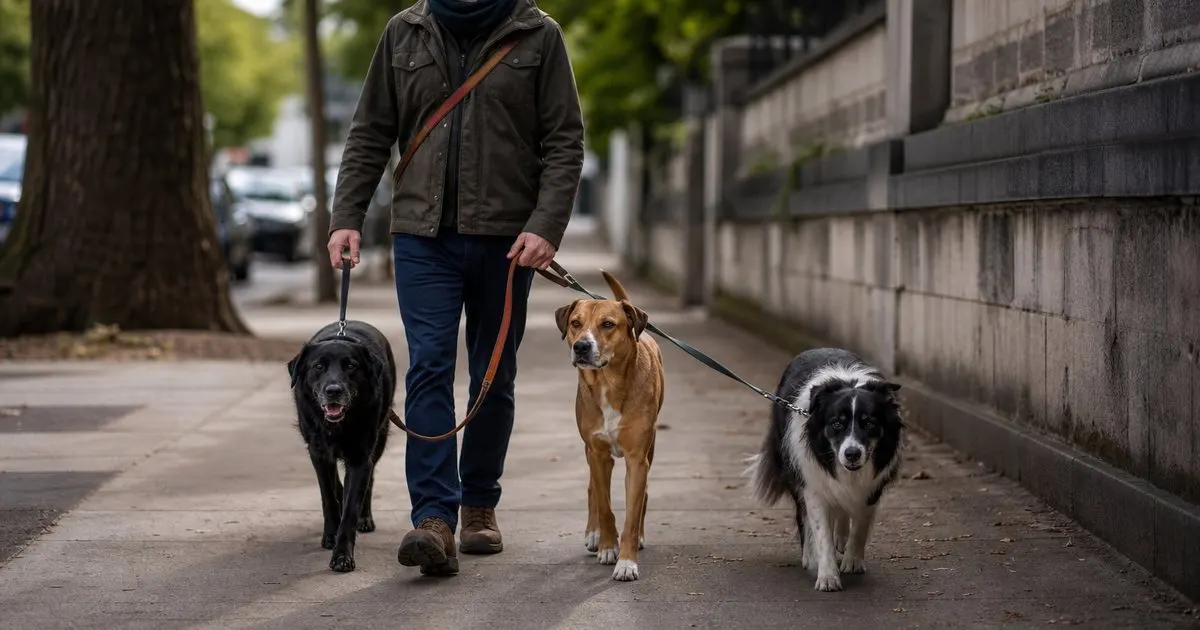
How Should a Dog Walker Plan Efficient Routes for Back to Back Visits?
What Information Do Dog Owners Actually Want in a Post Walk Update?
Why Do GPS Check Ins Matter So Much for Professional Dog Walkers?
Get the PupRoutr playbook
Practical guides on dog walking visits, straight to your inbox as we publish them. No spam, unsubscribe any time.