When Should a Dog Walker Shorten or Cancel Visits During a Summer Heat Wave?
Heat is the most common summer risk on a walking route. Here is how to decide between a full walk, a short potty break, and an indoor visit, and how to tell clients without sounding like you are cutting corners.
How heat actually affects a dog on a walk
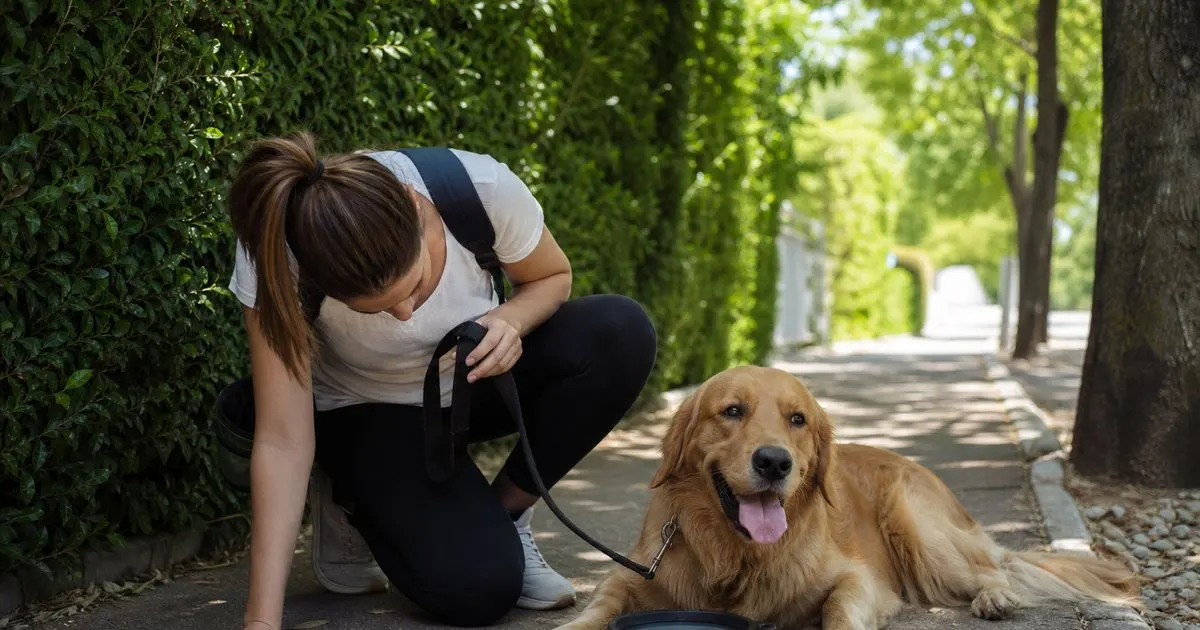
Dogs shed heat mainly by panting, and panting works poorly when the air is humid. That is why a muggy day in the low 80s can be harder on a dog than a dry day that reads hotter on the thermometer. Flat faced breeds, seniors, overweight dogs, puppies, thick coated and dark coated dogs, and any dog with a heart or breathing condition are at higher risk. The ground matters as much as the air. Asphalt and dark concrete in full sun get far hotter than the air temperature, and paw pads burn quickly. The simplest field test is to press the back of your hand flat on the pavement for several seconds. If you cannot hold it there comfortably, the dog should not be walking on it. Related: How Should a Dog Walker Plan Efficient Routes for Back to Back Visits?
Learn the early signs of heat stress so you catch them on the first block rather than the last. Heavy, wide mouthed panting with a thick tongue, drool that turns stringy, bright red or pale gums, lagging behind, repeatedly seeking shade, and any stumbling or glassy look mean the walk is over. Get the dog into shade or air conditioning, offer small amounts of water, and wet the belly and paws with cool but not icy water while you call the owner. Stumbling, collapse, a glassy look, or vomiting mean heatstroke until a vet says otherwise, and a dog that seems to bounce back can still have organ damage underway, so those signs mean the emergency vet regardless of how the dog looks a few minutes later. For milder signs that clear quickly once the dog is cool, such as heavy panting and lagging, tell the owner exactly what you saw so they can check with their vet. There is no single safe temperature number that covers every dog, so the honest approach is to combine air temperature, humidity, sun, pavement, and the individual dog into your decision. Related: What Information Do Dog Owners Actually Want in a Post Walk Update?
Keep reading: How Should a Dog Walker Plan Efficient Routes for Back to Back Visits?, What Information Do Dog Owners Actually Want in a Post Walk Update?, Why Do GPS Check Ins Matter So Much for Professional Dog Walkers?. See how PupRoutr helps you dog walking route planning and visit check-ins.
A simple three tier decision rule
Walkers make better decisions on hot days when the rule is already written down. A three tier system works well. Tier one is a full walk with adjustments: earlier start, shaded and grassy route, water breaks, slower pace. Tier two is a short relief break, roughly ten to fifteen minutes on grass and shade, followed by indoor time for play, water, and a cool down. Tier three is no outdoor walk at all beyond a quick potty stop in the yard, with the rest of the visit spent indoors. Many walkers set their own cutoff for full walks somewhere in the upper 80s Fahrenheit and drop it lower for high humidity or at-risk dogs, but the pavement test and the dog in front of you override the number. Related: How Many Dogs Can One Walker Safely Handle on a Single Group Walk?
Assign each dog a heat profile during onboarding: low, moderate, or high risk, based on breed, age, weight, coat, and health. On a hot day, high risk dogs move to tier two or three before moderate dogs do, and low risk young dogs might still get a shaded full walk early in the morning. Put the tiers and the profiles in your service agreement so no client is surprised when a visit changes shape. A written policy also protects you if something goes wrong, because you can show that you followed a defined process rather than improvising. Related: What Should Be in a Dog Walking Service Agreement With New Clients?
Restructuring the route on hot days
Timing is the biggest lever you have. Ask clients in advance for wider visit windows during heat advisories so you can move the most vulnerable dogs to the earliest slots, ideally before the sun hits the pavement. Reorder the day so high risk dogs come first, then moderate, then the young, healthy dogs who can handle a shaded walk closer to noon. Route planning software makes the reshuffle faster, and a tool like PupRoutr can reorder a day's stops in a few taps, but a paper list and a quiet ten minutes the night before work too. What matters is that you decide in advance rather than on a hot sidewalk.
Then change where you walk. Favor tree lined streets, parks with grass, and the shaded side of the block, and avoid open parking lots, athletic fields, and long stretches of dark asphalt. Carry water and a collapsible bowl on every visit, not just when you remember. Never leave a dog in a vehicle, even briefly, and pre-cool the car before loading a dog for transport. Walk slower and let the dog sniff, since sniffing is mentally tiring without adding much body heat. On the hottest days, a calm indoor visit with a frozen stuffed toy and a water refill is a better service than a walk the dog will spend recovering from.
Telling clients without sounding like you are cutting corners
Announce the heat policy at the start of the season, before the first hot week, so it reads as professionalism rather than an excuse. A short message explaining the three tiers, the dog's assigned risk profile, and how you will communicate changes sets expectations. On a heat advisory day, send a morning note listing the plan for that dog: earlier arrival, shortened outdoor time, or indoor visit. Owners handle change well when it arrives before the visit rather than in the report afterward.
The visit report should say what you did, why, and how the dog looked, for example ten minutes on the shaded grass loop, back inside by 11:40, drank well, settled on the tile. Charge normally, because the time and care are the same even when the walk is shorter, and say so if asked. If a client pushes for a full walk in dangerous heat, hold the line politely and point back to the written policy. Losing a client over a heat rule is rare, and it is far better than the alternative of an emergency vet visit on your watch.
- Humidity, pavement temperature, and the individual dog matter more than the air temperature alone, so use the hand test on the pavement every hot day.
- A written three tier rule, full walk, short relief break, or indoor visit, removes guesswork and protects both the dog and your business.
- Reorder hot days so high risk dogs get the earliest slots, and shift routes to grass, shade, and tree lined streets.
- Share the heat policy before summer starts, send the day's plan in the morning, and report exactly what you did and how the dog looked.

Julien Jimenez
Julien Jimenez is an independent software builder based in Paris. He designs, ships, and operates focused SaaS products for small businesses and independent professionals. Read the full author page.
Prove every walk happened, effortlessly
Dog walking route planning and visit check-ins. PupRoutr is built to help you put this into practice.
Plan my walksMore from the PupRoutr blog
How Should a Dog Walker Plan Efficient Routes for Back to Back Visits?
What Information Do Dog Owners Actually Want in a Post Walk Update?
Why Do GPS Check Ins Matter So Much for Professional Dog Walkers?
Get the PupRoutr playbook
Practical guides on dog walking visits, straight to your inbox as we publish them. No spam, unsubscribe any time.