How Should a Dog Walker Plan Efficient Routes for Back to Back Visits?
Time spent driving between visits is time you cannot bill. Here is how to plan routes that fit more walks into the same day.
Cluster clients by neighborhood so a block of your day stays in one area, then sequence stops within each cluster to avoid doubling back. Leave a small buffer between visits so one delay does not cascade, and build recurring slots so your route stabilizes instead of rebuilding daily.
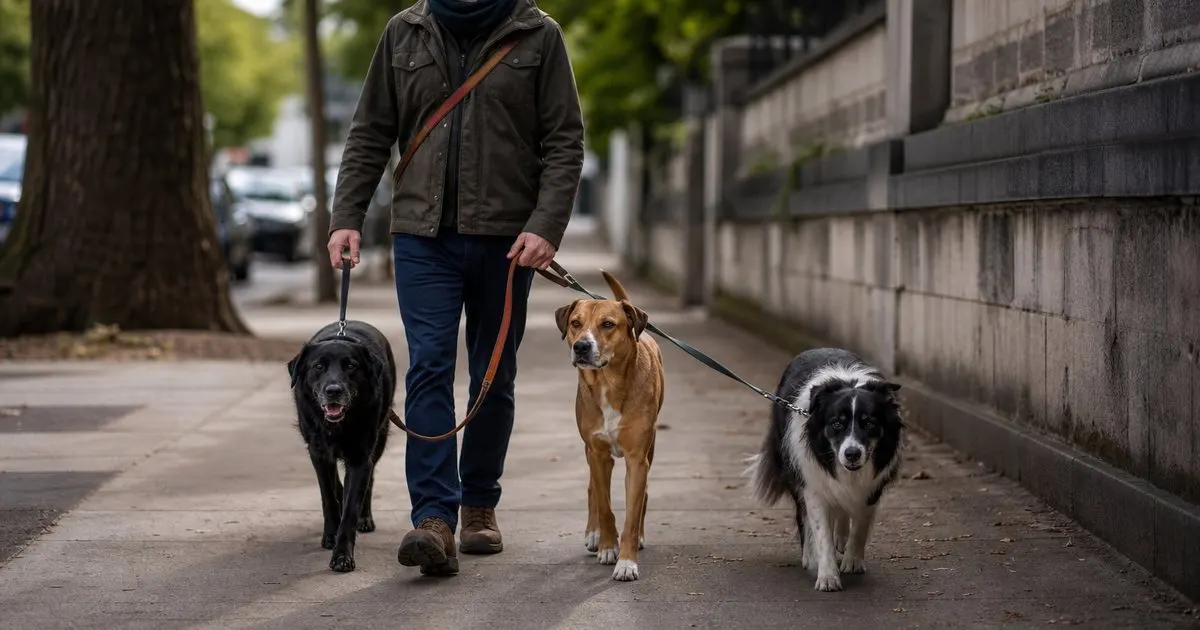
Group visits by neighborhood
The biggest time saver is clustering clients who live near each other into the same block of your day. Zigzagging across town between two visits burns the margin on both. Related: What Is the Best Way to Manage Client Keys and Lockbox Codes Across Many Homes?
When you take on a new client, think about where they sit in your existing map before you set their regular time. Related: Which Checks Should a Dog Walker Complete Before Leaving a Client's Home?
Keep reading: What Information Do Dog Owners Actually Want in a Post Walk Update?, Why Do GPS Check Ins Matter So Much for Professional Dog Walkers?, How Many Dogs Can One Walker Safely Handle on a Single Group Walk?. See how PupRoutr helps you dog walking route planning and visit check-ins.
Order stops to minimize backtracking
Within a cluster, sequence your visits so each one leads naturally to the next rather than doubling back. A little planning up front saves miles every day.
A route that flows in one direction is easier to keep on time when a visit runs long. Related: How Much Does Walk Length Really Matter for Dogs on a Daily Midday Visit?
Build in buffer for the unexpected
A dog that will not come in, traffic, or a message from an owner all eat into a tight schedule. Leaving a small buffer between visits keeps one delay from cascading.
A route with no slack looks efficient on paper and falls apart the first time a dog has other plans.
Lock in recurring slots
Regular clients on fixed days let you build a stable route you refine over time, rather than rebuilding your day from scratch each morning. Related: How Can New Dog Walkers Build a Loyal Base of Repeat Clients?
The more of your week is recurring, the more efficient your routes naturally become.
- Cluster clients by neighborhood before setting their times
- Sequence stops to avoid backtracking within a cluster
- Leave buffer so one delay does not cascade
- Build recurring slots for a stable, efficient route

Julien Jimenez
Julien Jimenez is an independent software builder based in Paris. He designs, ships, and operates focused SaaS products for small businesses and independent professionals. Read the full author page.
Frequently asked questions
Where should a new client fit into an existing route?
Think about where they sit on your current map before setting their regular time. Slotting them near clients you already serve keeps a block of the day in one area instead of zigzagging.
Why leave buffer time between back-to-back visits?
A dog that will not come in, traffic, or an owner's message all eat into a tight schedule. A small buffer keeps one delay from cascading through the rest of your day.
Prove every walk happened, effortlessly
Dog walking route planning and visit check-ins. PupRoutr is built to help you put this into practice.
Plan my walksMore from the PupRoutr blog
What Information Do Dog Owners Actually Want in a Post Walk Update?
Why Do GPS Check Ins Matter So Much for Professional Dog Walkers?
How Many Dogs Can One Walker Safely Handle on a Single Group Walk?
Get the PupRoutr playbook
Practical guides on dog walking visits, straight to your inbox as we publish them. No spam, unsubscribe any time.